
Top 10 Veggies for Babies and How to Serve Them Safely
- July 30, 2025
- Updated: April 22, 2026
- 0 Comments
Looking for the best veggies for babies to start your baby’s solid food journey? Vegetables are a great way to introduce flavor, texture, and nutrition early on. In this post, you’ll find my top 10 blw veggies and tips to serve them safely with baby-led weaning.

As an Amazon Associate, I may earn from qualifying purchases. You can read more here on our Disclaimer and Privacy Page.
Starting solids with your baby can feel both exciting and overwhelming, especially when it comes to veggies! With baby-led weaning (BLW), offering vegetables safely from the start can help your little one explore a variety of flavors, textures, and nutrients early on.
But how do you know which vegetables are best, and more importantly, how to serve them safely to reduce choking risk?
As a Registered Dietitian specializing in baby and toddler feeding, I’ll walk you through 10 of the best vegetables for baby-led weaning, how to prepare each one in a safe, baby-friendly way, and tips to help your baby enjoy eating them.
Whether you’re just starting BLW or looking for new blw veggie ideas, this guide will give you the confidence to get started.
All of the recipes shared below have no added sugars (or I guide you as how to omit the sugar), are cut and cooked safely and provide ample nutrition for your baby!

When to Serve Vegetables to Babies
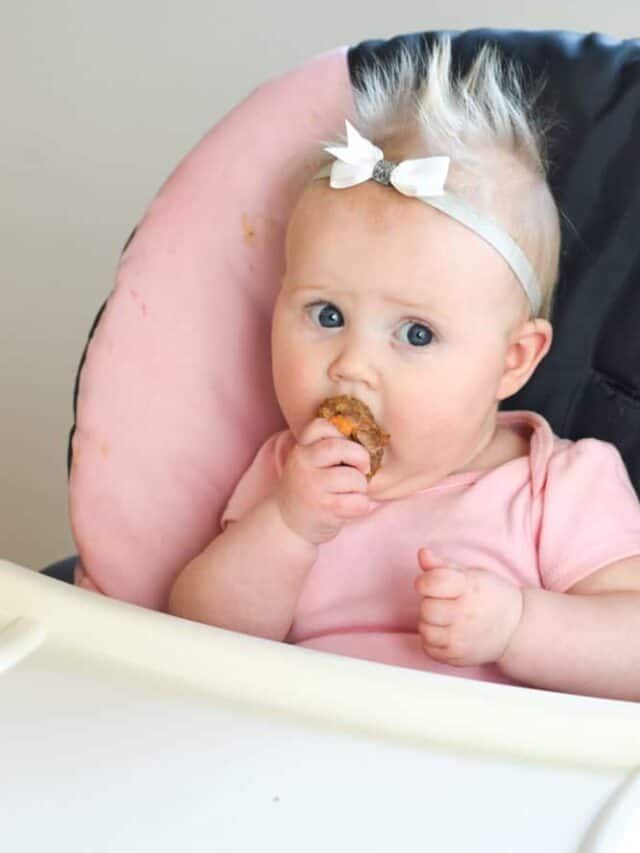
Most babies are ready for solids between 4-6 months, though many pediatricians are now recognizing the importance of waiting for signs of readiness. You may notice some of these signs around the 5-6 month mark, as your baby becomes more interested in what you are eating.
You can offer (safe) vegetables to babies and start baby led weaning as soon as they show signs of readiness, which include:
- Sitting up unassisted – While it may be exciting, hold off on solids until they can sit up unassisted. They should also have good neck strength and control—with the ability to hold up their head.
- Tongue thrust reflex – Another thing to look for is what they do with their tongue. Their tongue thrust reflex, which is used to push everything out of their mouths, will go away at around this age.
- Pincer grasp – You want to wait until babies have developed their pincer grasp before introducing broccoli and other solids—that way they can bring the food to their mouths themselves.
- Teeth are not necessary – Even without teeth, your baby may be able to chew just fine, with their jaws moving in an up-and-down motion. If it doesn’t look perfect, that’s okay.
Remember, the new textures introduced in baby led weaning will help them hone in on many of these skills, so they will continue to develop.
When your baby is showing developmental signs of readiness, you can supplement breastmilk/formula with complementary foods.
That means that they will still get the majority of their necessary nutrients from either breastmilk/formula. While solids, like veggies in BLW, can provide valuable nutrients, it’s initially also about learning and experimenting with new flavors.
Hot Recipe Tip
Don’t be afraid to flavor baby’s food and snacks. While salt should be limited, spices for babies are highly encouraged to help them form and develop a varied palate and taste buds.
A Dietitian’s Favorite Veggies for Babies
Carrots
Why it’s great for babies: Carrots are great for babies. They have a naturally sweet taste, and are high in nutrients such as Vitamin C, Vitamin A, antioxidants, fiber and more.
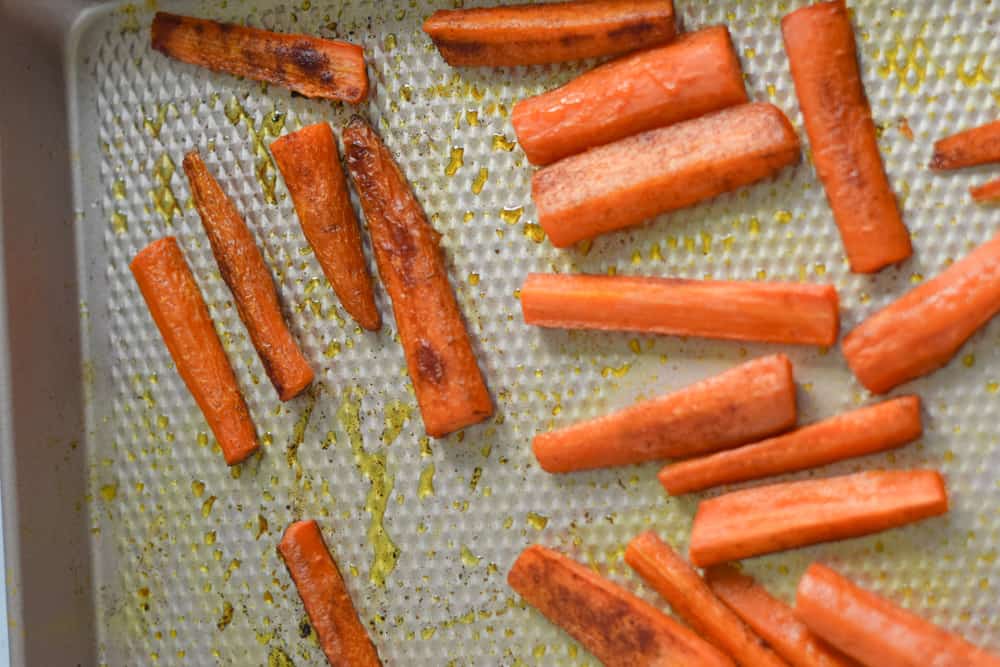
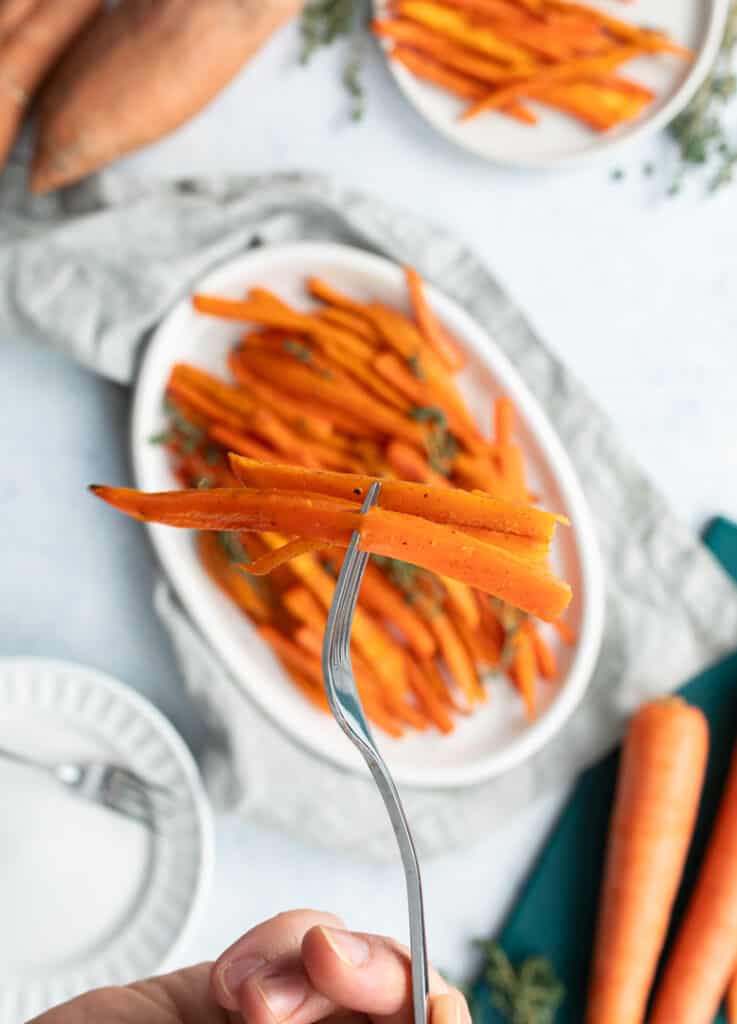
How to prep and serve: – Never serve raw carrots to babies as they can be a choking hazard. Serve them steamed, roasted or mashed. These roasted baby led weaning carrots are a simple way to initially offer carrots to babies as a finger food. Roasted carrots tend to be sweeter and more flavorful than steamed. You can also mash cooked carrots into hummus or use in veggie-loaded muffins.
Age or texture progression tips: – Once you have introduced dairy successfully, consider blending shredded carrots into a meatball shape, like these cheesy carrot bites. You still want to avoid raw carrots until the toddler stage.

Sweetpotatoes
Why it’s great for babies: If you’ve checked around my blog at all, this is no surprise to you as we have many options for sweetpotato recipes. Sweetpotatoes are naturally sweet, and a great source of Vitamin A, Vitamin C, fiber and potassium.
Pair them with an iron source, such as oats, beef, chicken, lentils, etc., to help with the absorption of iron!
How to prep and serve: You can serve sweetpotatoes just about any way you want to with babies. They should always be cooked! With babies who are just starting solids, offering baked sweetpotato fries or sticks is a good and safe option. Use butter, avocado oil or olive oil for some healthy fats.
You can also make a sweetpotato baby puree, or add the mash/puree to sweetpotato pancakes, sweetpotato muffins, sweetpotato chicken nuggets, waffles and more.
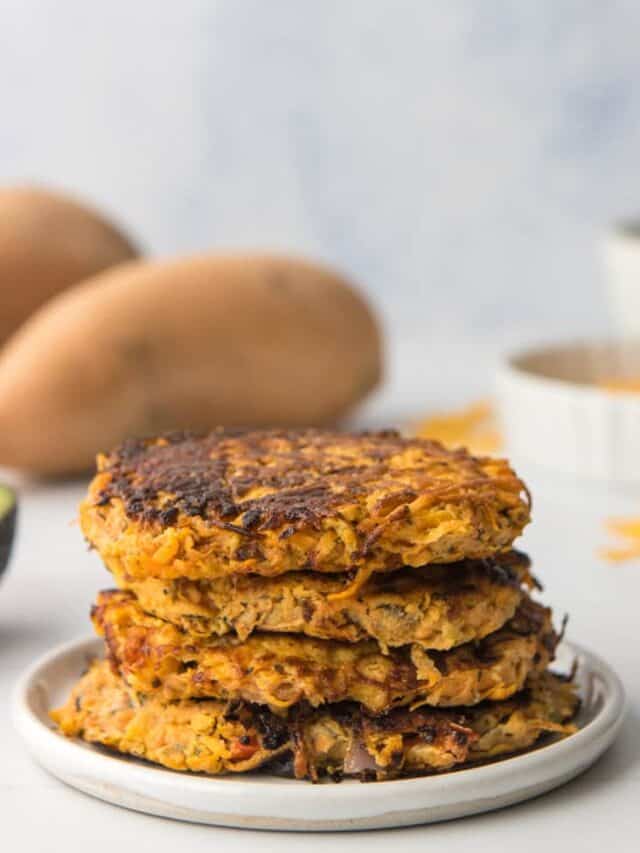
Sweetpotato salmon cakes are a great way to offer seafood with essential healthy fats to babies. Don’t skip the seafood – there are so many easy ways to serve salmon to babies.

Age or texture progression tips: – For 9 months and up, you can offer cooked sweetpotatoes in a cubed shape once the pincer grasp is established. You can also add sweetpotato to smoothies to improve suck strength, and toddlers will love them too. Try any of these sweetpotato recipes for toddlers.
Parsnips
Why it’s great for babies: Parsnips are naturally sweet, starchy root vegetables that have a soft texture when cooked, so parsnips for babies are a perfect choice. As an easy-to-hold veggie, they are a great source of fiber, vitamin C, and potassium—and their subtle sweetness makes them a baby favorite, especially when roasted.
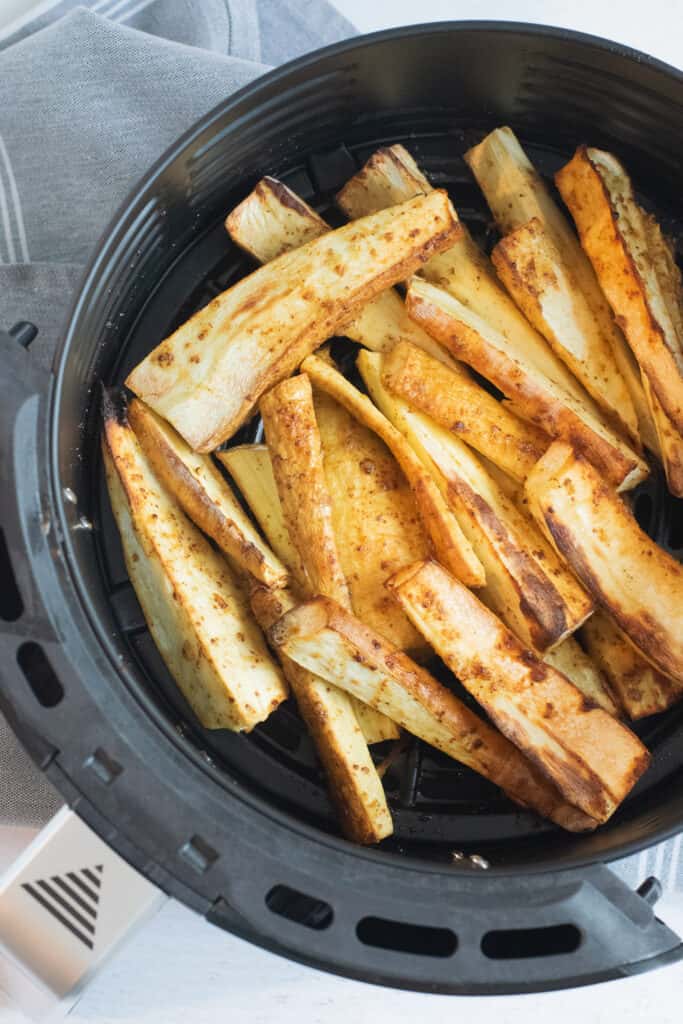
How to prep and serve: Peel and cut parsnips into thick sticks that baby can hold. Avoid rounded shapes, as that can be a choking hazard. Steam or roast until they’re very soft and can be easily mashed between your fingers. You can also mash cooked parsnips and mix with other root veggies like carrots or potatoes, or throw them in a veggie mac and cheese.
Age or texture progression tips: You can start with a parsnip puree for 6-month-old babies, and then advance to the finger food version. I love these crispy garlic parsnip fries, or these air fryer parsnips (Save these for babies over 12 months old as the recipe uses honey).
Zucchini
Why it’s great for babies: Zucchini for babies is always a great option. Zucchini for babies can be a great starter food, as it has a soft texture when cooked and is mostly water, hence it is easy on little tummies.
How to prep and serve: There are endless options for serving zucchini to babies. For young babies, cut the zucchini into spears or rounds, then steam or roast until tender. You can also shred or spiralize and sauté into zucchini noodles for older babies, or mix into pumpkin zucchini muffins (just omit the sugar), zucchini fritters and pancakes.
Age or texture progression tips: Before babies develop the pincer grasp and can be more deliberate with their motions, zucchini can be slippery. If it’s too slippery, use a crinkle cutter or roll lightly in ground flax seed.
Cauliflower
Why it’s great for babies: Cauliflower is rich in fiber, Vitamin C and antioxidants, and has a mild taste that pairs well with other herbs or spices. Its handheld florets make it easy for babies to grasp, and suck or gnaw on.
How to prep and serve: For young babies, steam or roast florets until they are soft enough to mash with gentle pressure between your fingers (similar to baby’s gums). Serve whole florets for early eaters as baby led weaning vegetables, or mash and mix into other recipes. Pureed cauliflower is perfect in our hidden veggie mac and cheese.
Add a bit of olive oil and turmeric or garlic powder to boost flavor and healthy fats. Be sure florets aren’t too small to avoid choking hazards for beginners.
Age or texture progression tips: As baby gets older and develops the pincer grasp (usually around 8-9 months), they will be able to pick up smaller cuts of florets.
For babies 12-15 months and older, baked cauliflower with panko is a tasty and safe option .

Spinach
Why it’s great for babies: Spinach is chockfull of nutrition for babies, including key nutrients, like iron, folate and Vitamin K.
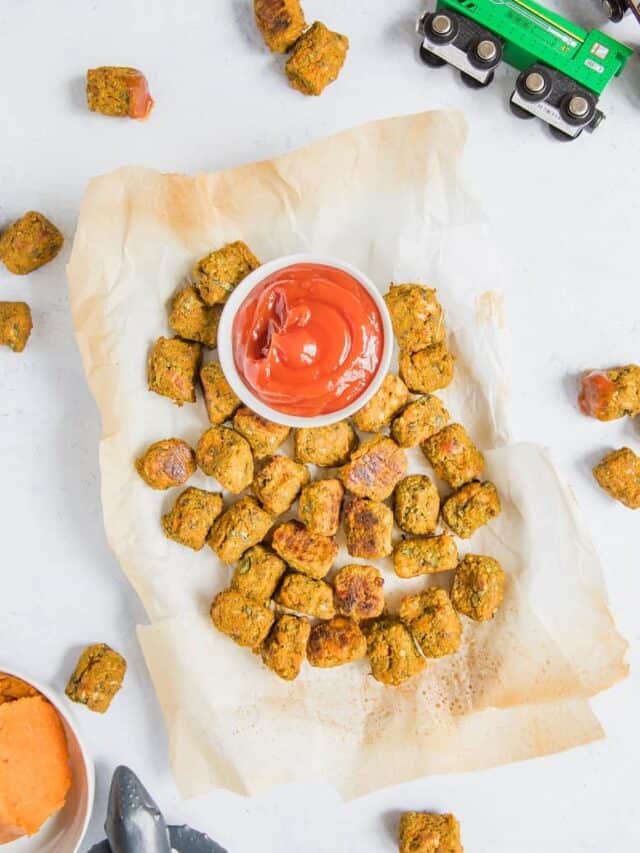
How to prep and serve: (steamed, roasted, mashed, etc.) – Since spinach can be dry and an odd texture by itself, you’ll want to mix it with other things initially. It easily blends into nearly any type of puree for younger babies and new eaters. For older babies and toddlers, you can serve it in any of your favorite toddler smoothies or sweetpotato tater tots.
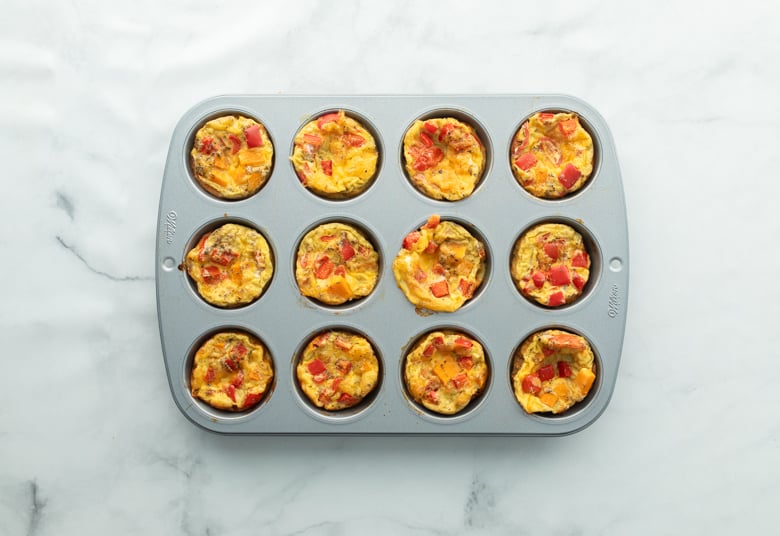
Age or texture progression tips: (e.g., 6 months vs 9 months) – You can serve purees for 6-9 months, like in this spinach baby food puree recipe, or steam it and serve it. For 9-12 months, you can serve it finely chopped with a cheesy rice or pasta, or can also add it to baked goods, like baby waffles, muffins, egg strips or egg muffins, scrambled eggs, meatloaf and more.
For 12 months and older, you can serve cut spinach leaves into small bite-size pieces and serve it as is, or mixed into grains.

Broccoli
Why it’s great for babies: I’m a huge fan of broccoli for baby led weaning for so many reasons. It’s easy for baby to hold (a practical necessity), can be flavored in many ways and seamlessly blends into many recipes. Broccoli is loaded with vitamins A, C, and K, fiber, and antioxidants.
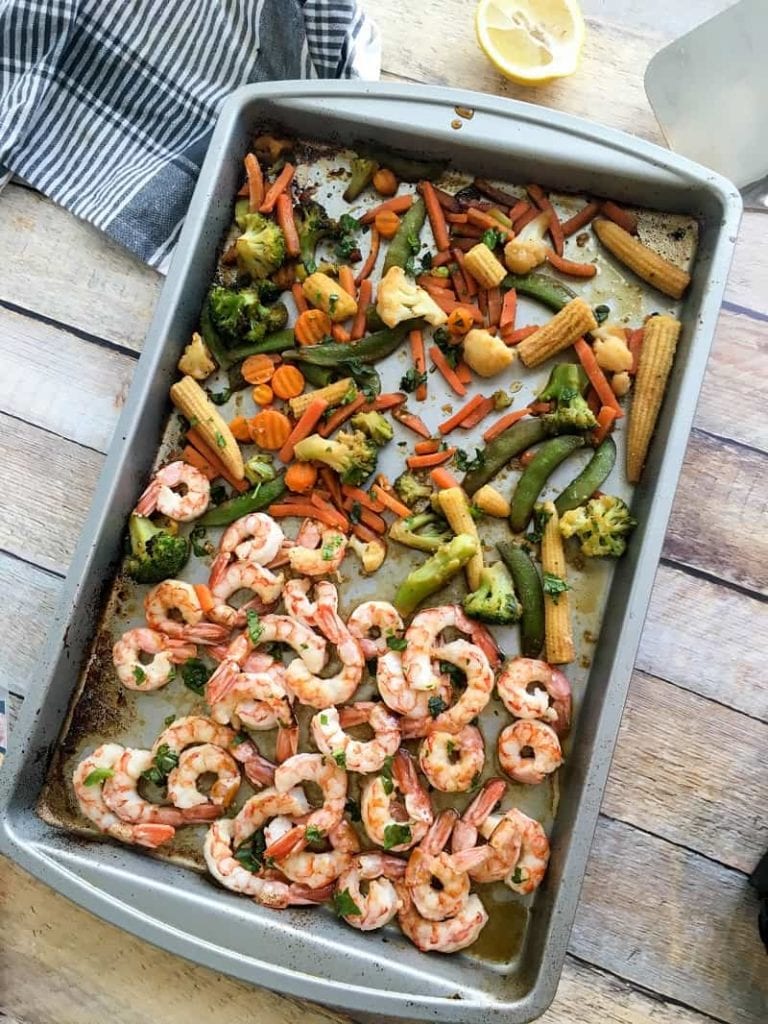
How to prep and serve: Broccoli can be heated and served in a variety of ways, such as steamed, roasted, mashed, etc. Cooked broccoli pairs well with pasta dishes, sheet pan shrimp or mac and cheese. When cooking, pair it with fats, such as butter, olive oil, or avocado oil to enhance some nutrient absorption.
Age or texture progression tips: – Avoid serving raw broccoli as a baby led weaning vegetable to babies under 15 months. We typically add broccoli to our favorite quinoa baby recipes or serve it alongside lentils for babies, since the Vitamin C in broccoli aids in iron absorption.
Peas
Why it’s great for babies: Peas are a great starter BLW veggie for babies. They are even a hit among my toddlers. Peas are a wonderful source of plant-based protein, iron, and vitamin C. Their naturally sweet taste is often a hit with babies.
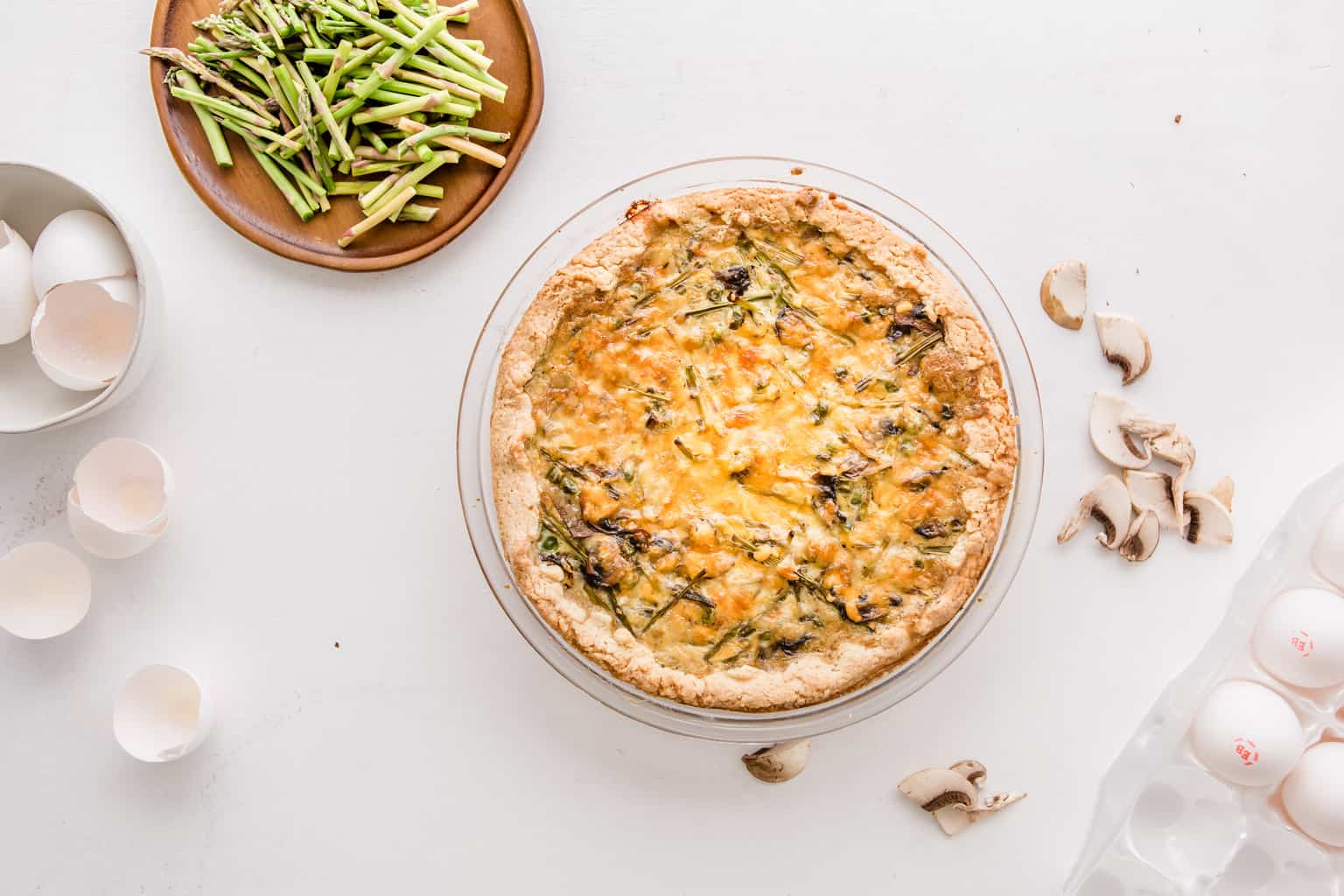
How to prep and serve: Mash cooked peas slightly for early eaters and mix into egg dishes (scrambled eggs or veggie pea quiche), mashed potatoes, pancakes, or grain dishes.
Age or texture progression tips: For older babies with the pincer grasp (ages 9 month and up), offer whole, cooked peas as finger food. It is good practice for them to work on picking up the peas.
Beets
Why it’s great for babies: While beets can be messy, don’t let that stop you! Beets are great as baby led weaning vegetables and a wonderful starter food for babies. Beets are naturally sweet and packed with nutrients like folate, iron, and fiber. Their soft texture (when cooked) makes them a great early BLW veggie.
How to prep and serve: Steam or roast your beets until softened, then cut into wedges or thick sticks for easy gripping. You can also grate beets and mix into veggie fritters, pancakes or beet muffins (just omit maple syrup) for more variety.
Age or texture progression tips: As babies get older and progressively more proficient, consider cutting beets into smaller pieces to work on their pincer grasp. You still want to avoid raw beets. Babies 15 months and toddler-aged kids can enjoy beets in smoothies, like this beet and banana smoothie.
Beware that beets can stain clothes and your high chair, so use a bib or splat mat. Bonus – canned beets work just as well!

Avocado
Why it’s great for babies: Although avocado is a fruit, most people still technically think of it as a veggie, so we will categorize it here as so.
Avocado for baby is a popular starter food for good reason! It is soft and mashable, neutrally flavored, full of nutrition, and pairs well with many recipes. Avocado is a great source of healthy fats (which are necewssary for baby’s growing brain), fiber, magnesium, potassium, Vitamin C and Vitamin K.
How to prep and serve: When just starting with babies around ages 6 months, slice the ripe avocado into thick wedges or spears and leave the skin on one end for grip.
You can also mash and spread on toast or mix into other foods like puree, yogurt or oatmeal. Pre-load a baby spoon and let baby self-feed on avocado chia pudding.
Age or texture progression tips: If the avocado is too slippery, roll in hemp seeds, flax seeds or baby cereal for easier handling. Since avocado is soft and mashable in its natural state, you don’t need to change much when serving to younger or older babies. You can add more flavors and other ingredients as babies get older and more proficient.

Remember, it’s okay to start slow. Be consistent when feeding babies.
Introducing a variety of veggies for babies through baby-led weaning is a great way to build healthy habits early on. From soft roasted carrots to mashed peas and avocado spears, there are so many safe and nutritious ways to help your baby explore new flavors and textures.
Remember, it’s normal for babies to take time to accept new foods—keep offering without pressure, and trust the process.
Need more support with baby led weaning?
Grab my baby led weaning ebook, which shares tips for starting, introducing allergens, more than 20 baby-friendly recipes and more!
Explore More Recipes
Baby Led WeaningRecipe CollectionsAvocadoBroccoliCarrotsCauliflowerSpinachSweet PotatoesZucchiniSupport Bucket List Tummy
Like This Content?
Support Bucket List Tummy